Autobiography of Eve
Wearing nothing but snakeskin
boots, I blazed a footpath, the first
radical road out of that old kingdom
toward a new unknown.
When I came to those great flaming gates
of burning gold,
I stood alone in terror at the threshold
between Paradise and Earth.
There I heard a mysterious echo:
my own voice
singing to me from across the forbidden
side. I shook awake—
at once alive in a blaze of green fire.
Let it be known: I did not fall from grace.
I leapt
to freedom.
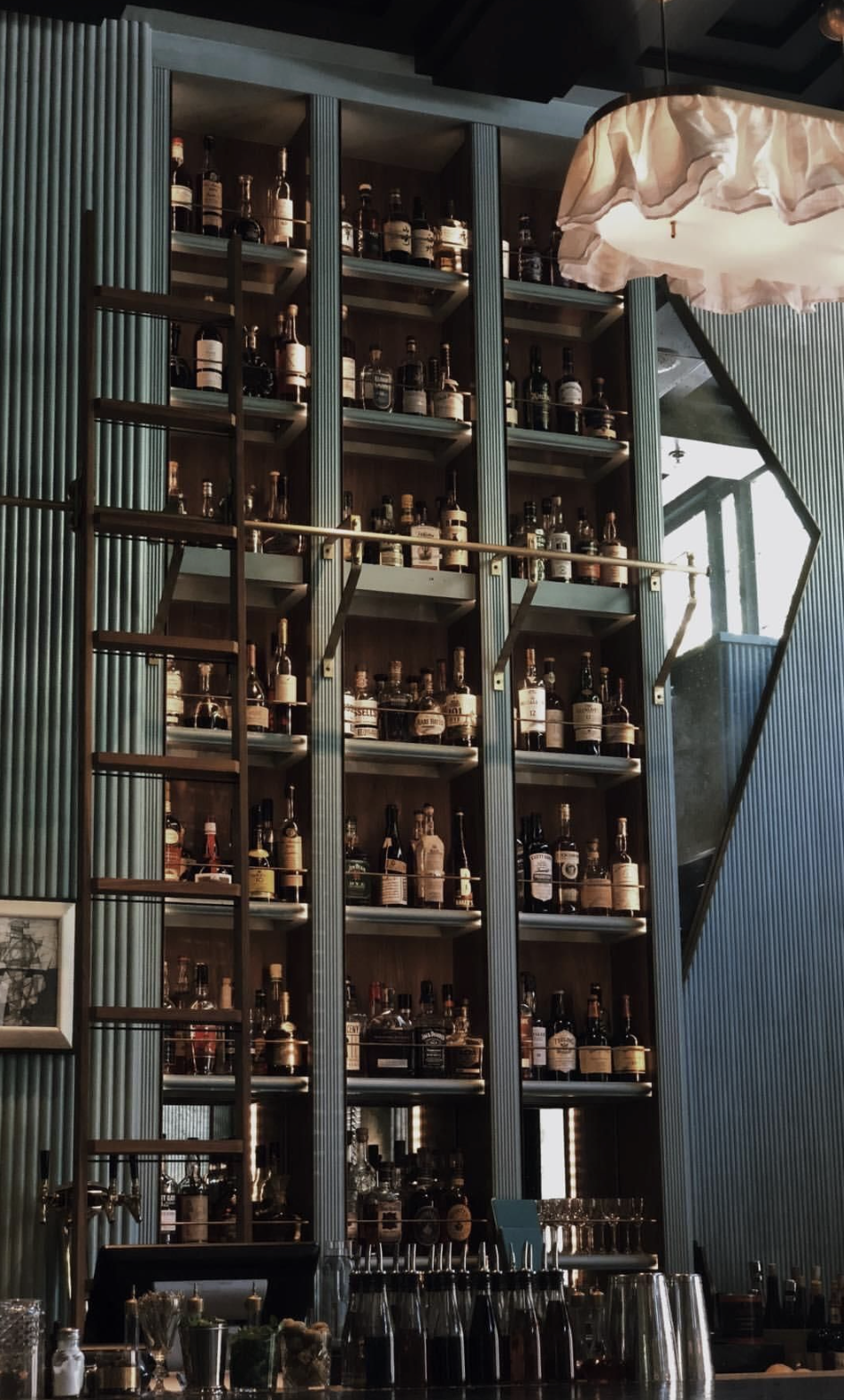
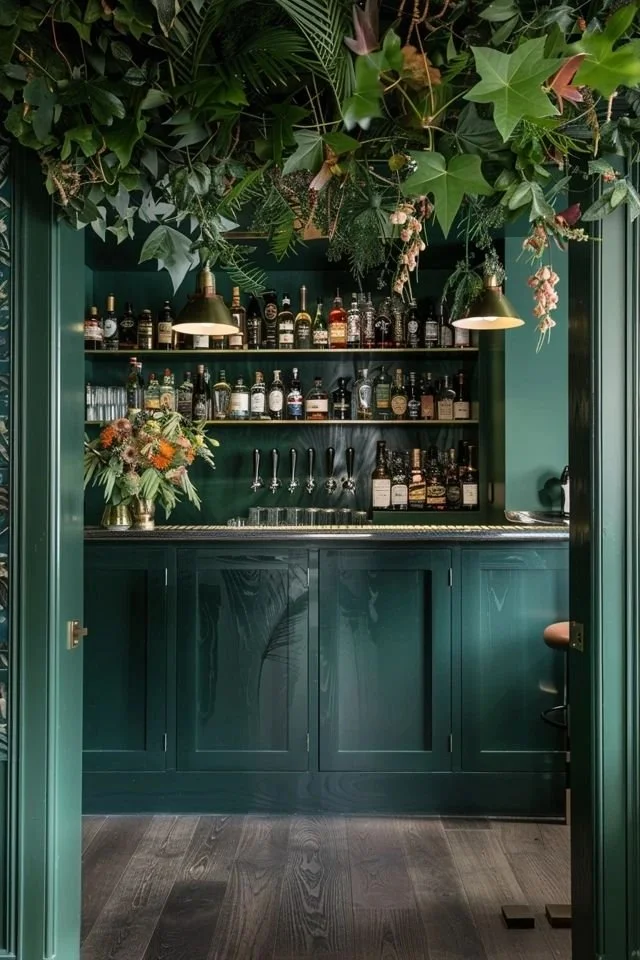
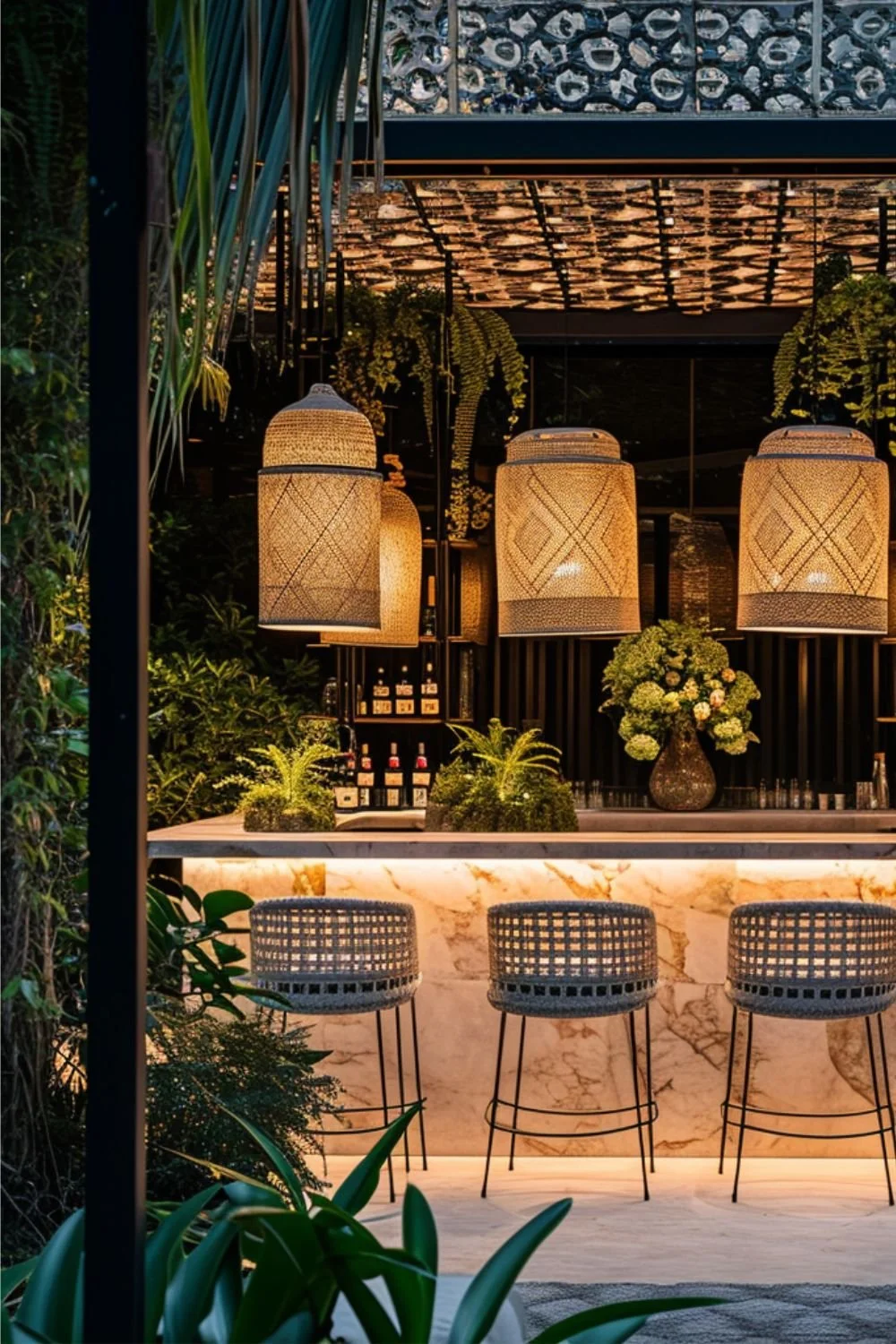
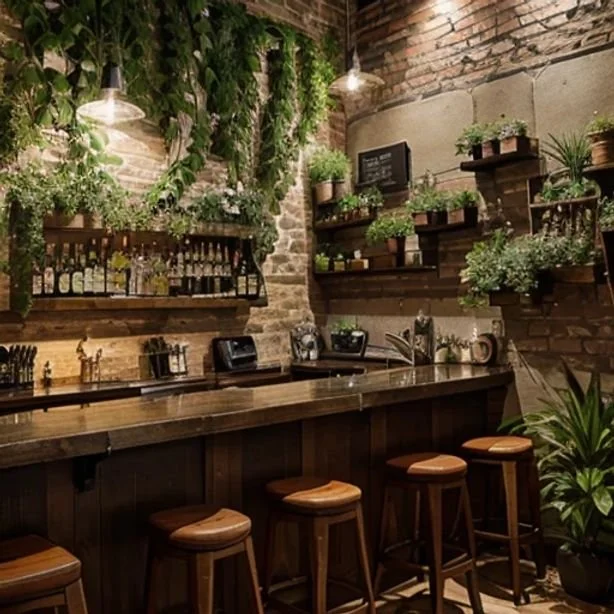
Eve — A Written Moodboard
Eve exists in the moment before the world tells you who you’re supposed to be.
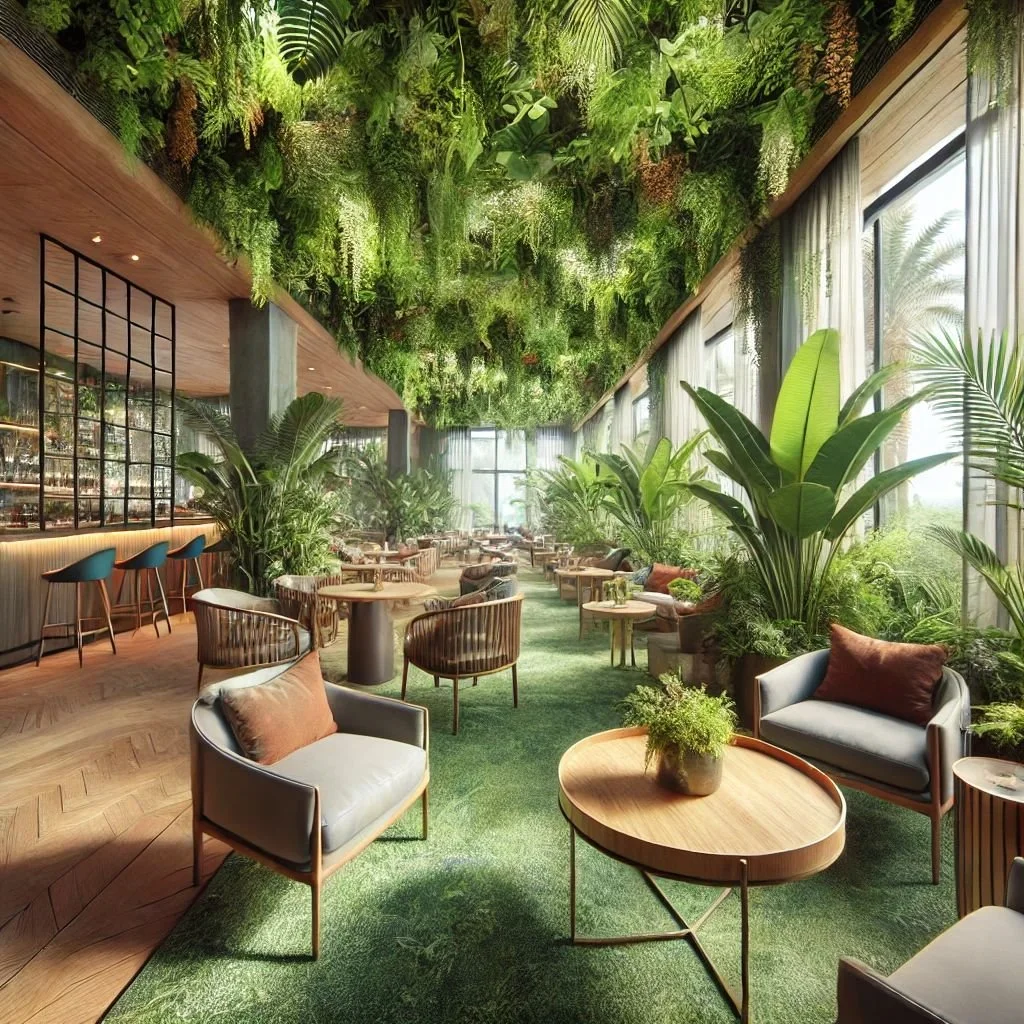
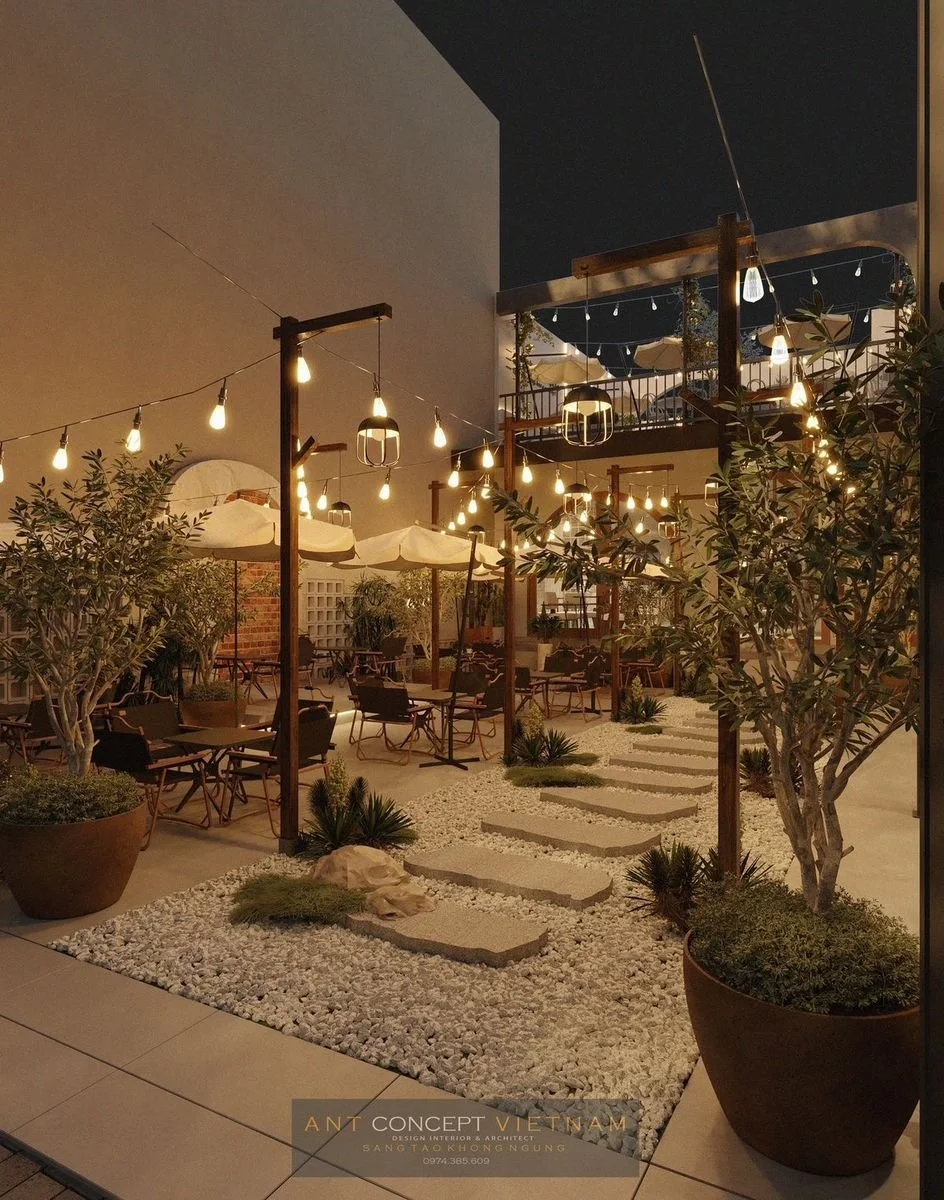
It is a garden at dusk — when light softens, edges blur, and curiosity, connection, and choice are still sacred. Eve is not an ending or a consequence. It is a threshold.
In our reading, Eve is not “created after.” She is the moment before everything changes. Eve represents the first question, the first taste, the first knowing. She is consciousness arriving. She is the pause before doctrine, before hierarchy, before rules harden into law. Eve is where imagination is still intact and possibility still breathes.
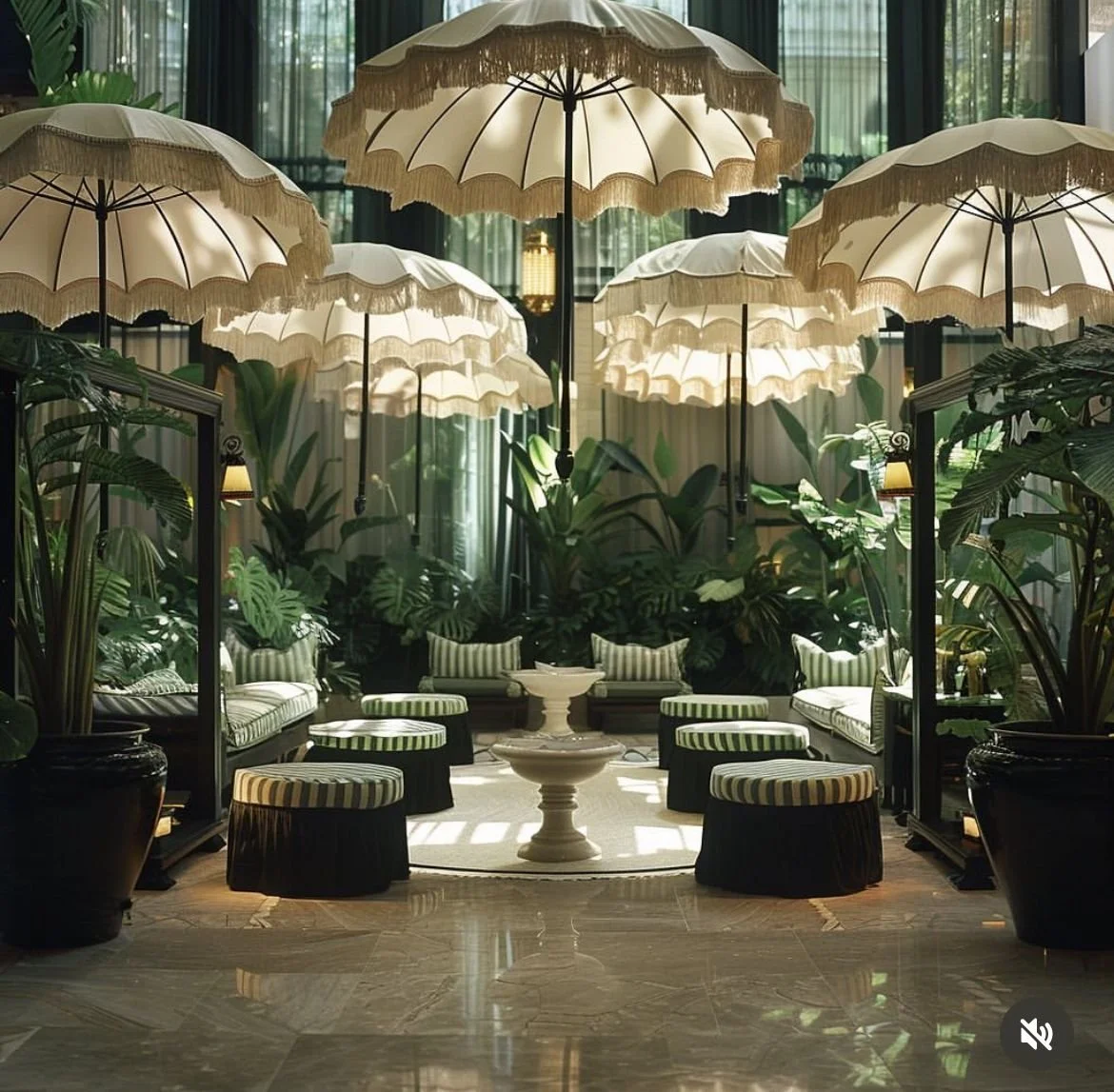
The space of Eve is designed for conversation, experimentation, and self-discovery. It is a place where pleasure is not punished and curiosity is celebrated. Community forms before judgment. People arrive as they are — layered, unfinished, becoming. There are no binaries here: not day or night, dark or light, good or evil. Desire and rest coexist. Power is not loud; it is felt.
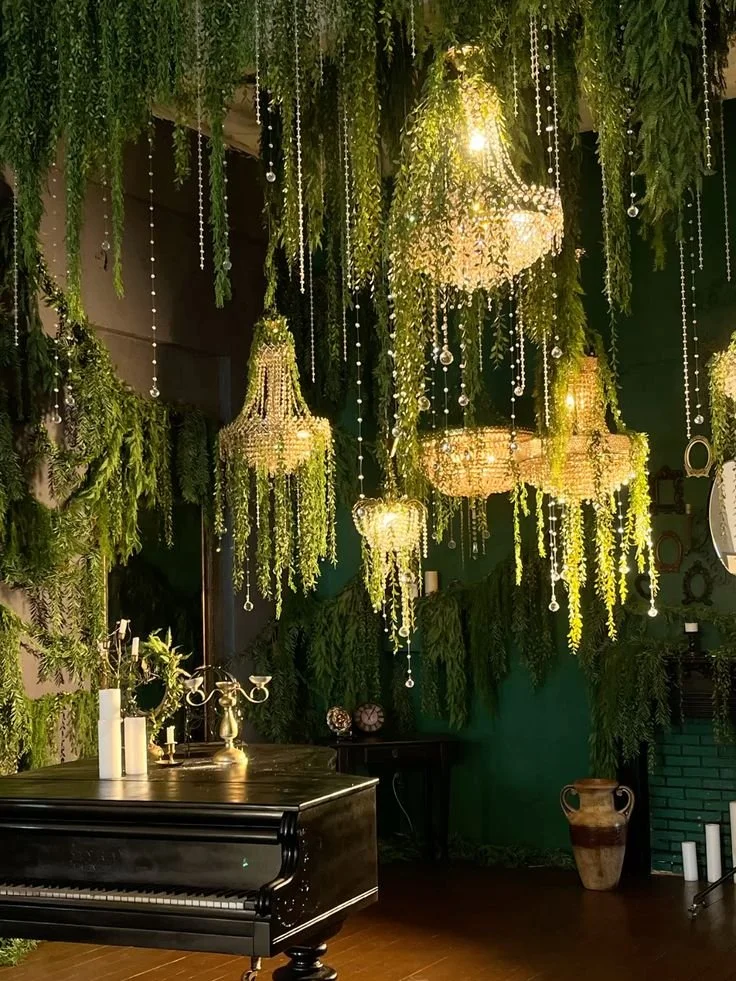
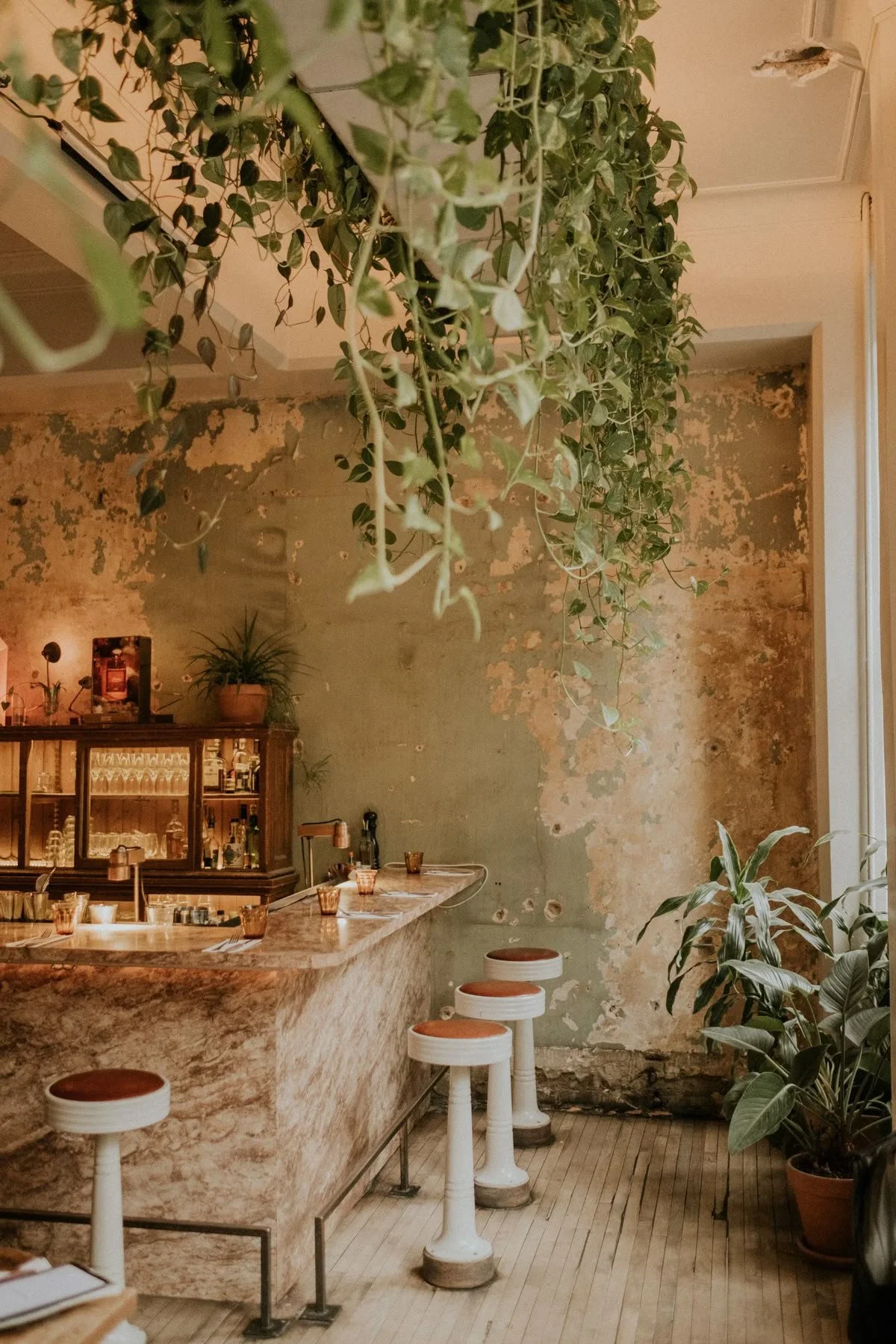
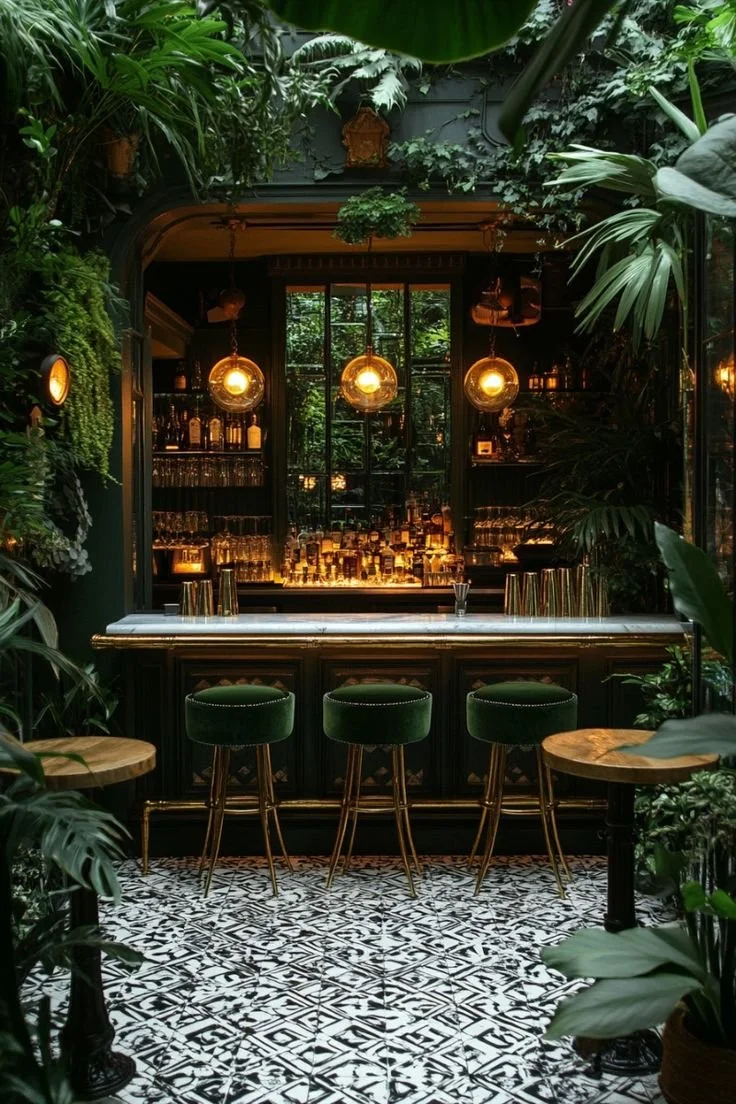
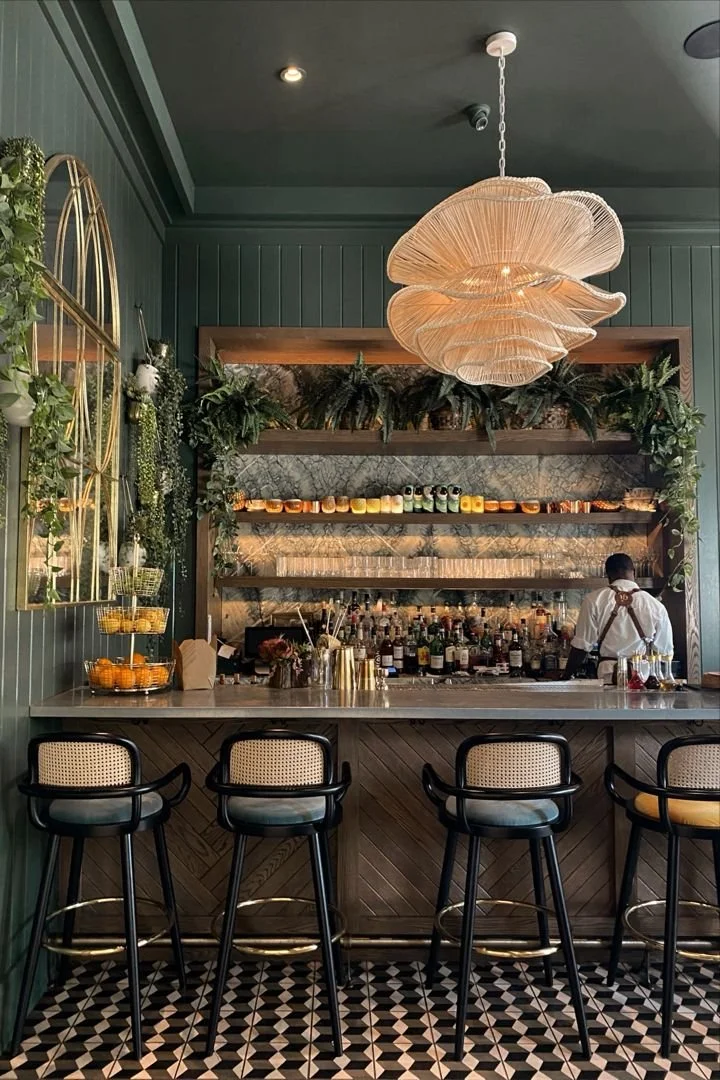
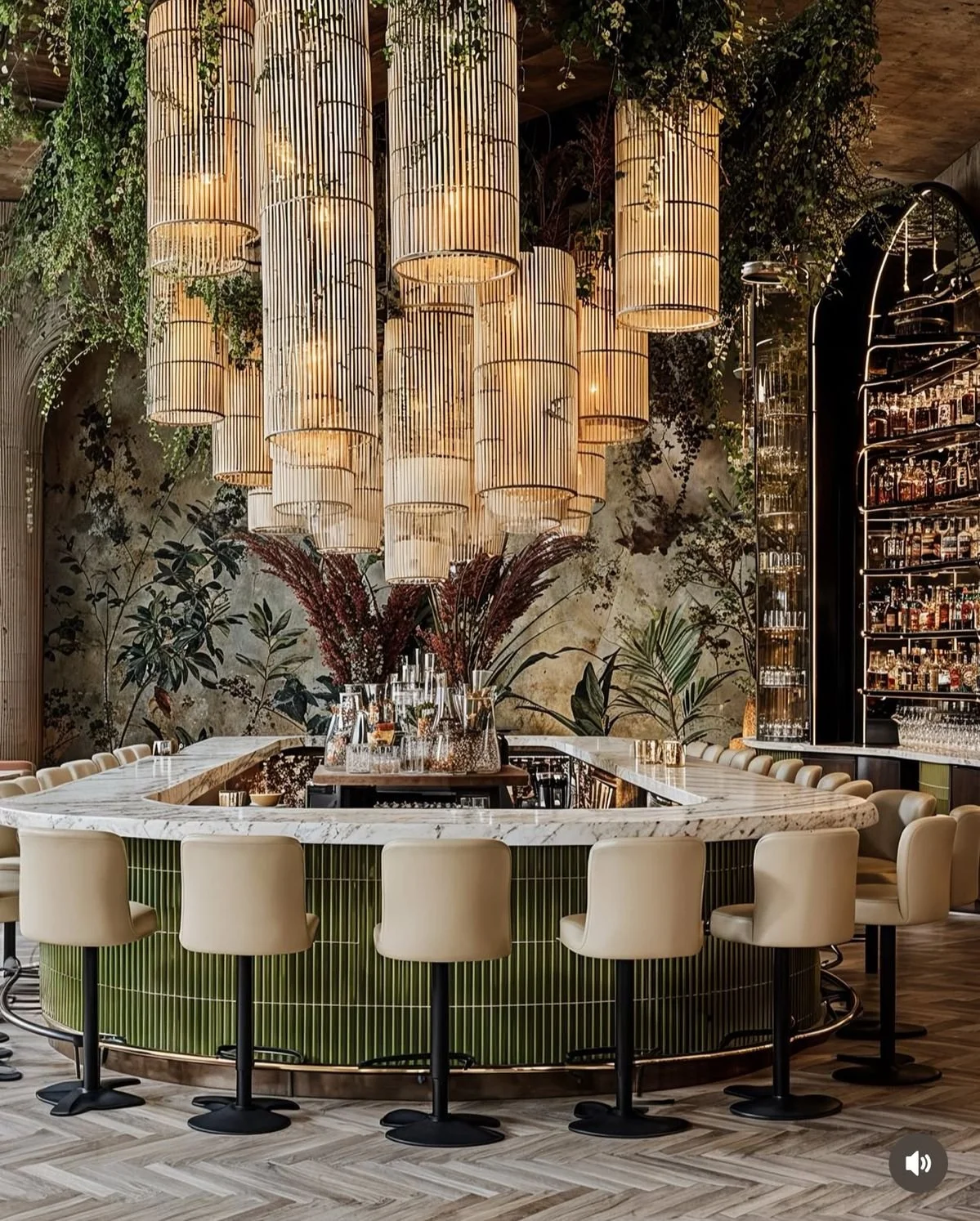
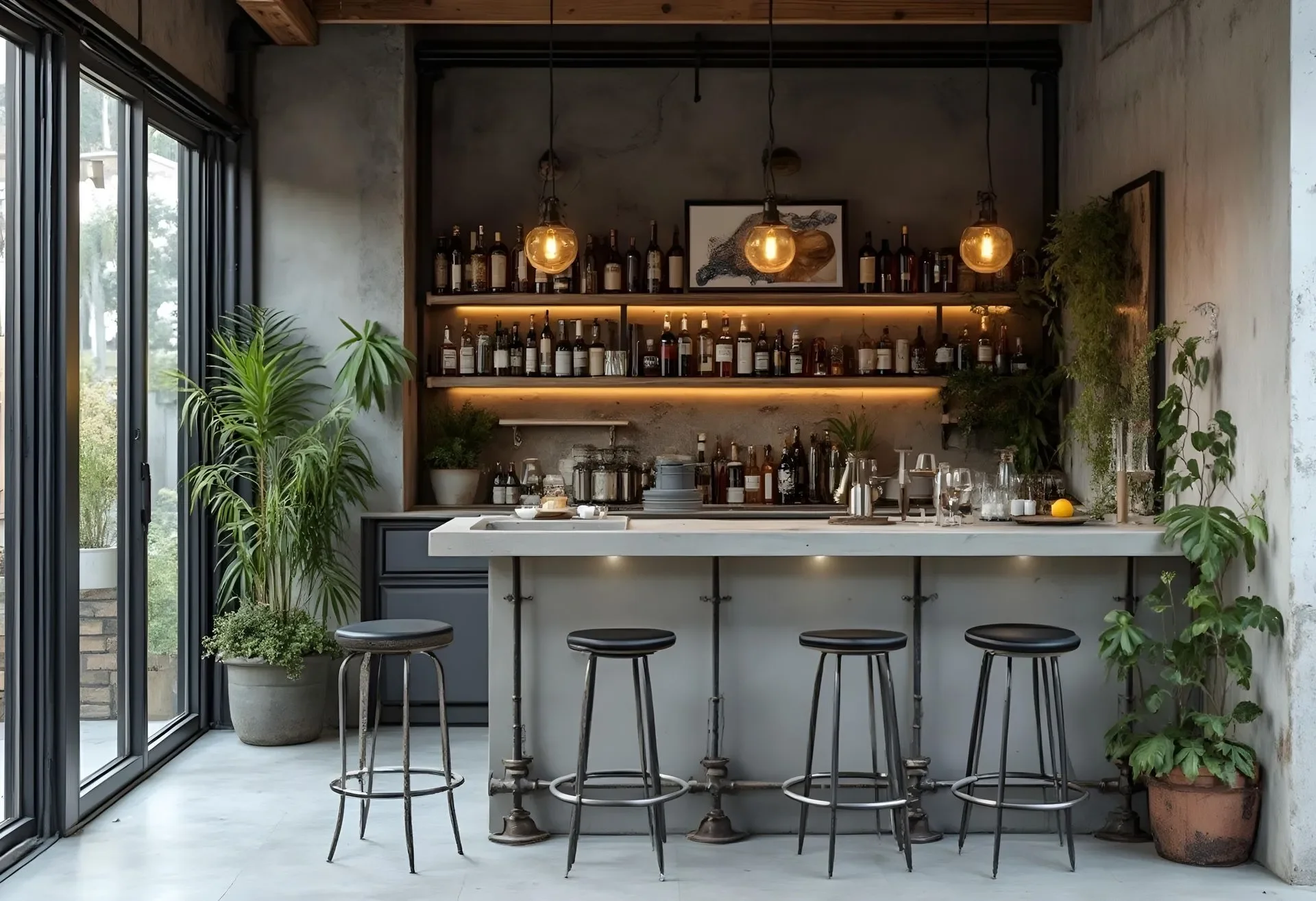
Botanicals are not decorative — they are symbolic. They echo the garden not as mythic perfection, but as abundance, sensuality, nourishment, and cycle. Plants represent growth, decay, renewal, and shared sustenance. The bar’s drinks, herbs, incenses, and garnishes become modern fruit: offerings of flavor, ritual, and choice. To taste is to participate.
“Eve” also means evening — the softening of the day. As night falls, work identities loosen. Conversation deepens. People gather to reflect, flirt, plot, or simply rest. Eve is the gentle descent into the beautiful night, when presence replaces performance and time stretches differently.
This is a subtle reclamation. Our Eve is not blamed. she is honored. Not the cause of the fall, but the origin of awareness. The space reflects femme-centered power, queer affirmation, and Durham’s tradition of intellectual curiosity and soft resistance. It is a quiet rebellion — not confrontational, but unmistakably intentional.
In this story, the snake is not a villain or an outsider. It belongs to the garden. It mirrors Eve rather than tempting her. The snake represents beauty that is fluid and unforced, strength that is ancient and patient, knowledge that is embodied rather than imposed. It signifies transformation — the ongoing act of shedding, becoming, and beginning again.
The snake does not persuade. It recognizes. It does not offer the fruit; it affirms the right to choose. It becomes the keeper of the threshold, coiling through the plants not to hide, but to belong. A guardian at dusk. A symbol of awareness and consent. Power that is elegant, slow, and self-possessed.
Durham understands this language. It is a city fluent in reclaimed symbols — one that honors history without freezing it, values softness alongside resistance, and makes room for thoughtful, femme-forward, queer-affirming spaces. Eve belongs here as a living emblem of self-trust. A reminder that wisdom is often misnamed as danger, and that choosing for oneself has always been powerful.